
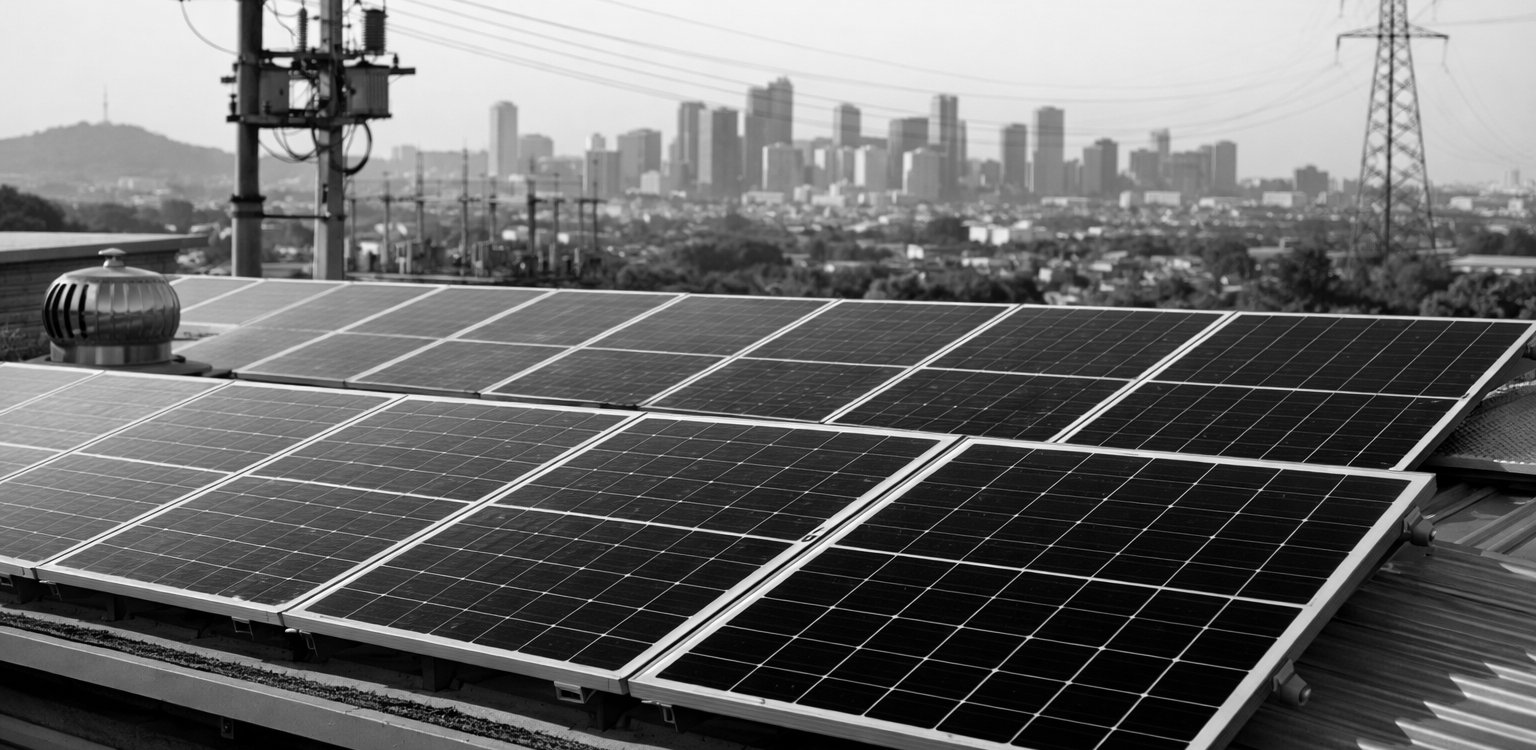
It is natural for a new solar system owner to assume their solar system is fully compliant the moment the installation is complete. The panels are in place, the inverter is running and the savings begin to show.
What is not always obvious is that a system is only recognised by the municipality once it has been formally registered. This step is essential, yet it is often missed without the owner being aware of it. The result is a system that works on the roof but does not exist in the municipal records, and that gap can create problems later.
Registration confirms that the system meets the rules for your area and that it fits within the technical limits of the property. It also ensures that the municipality understands how the system interacts with the grid. When this information is missing, the system is treated as an unapproved connection, even if the installation itself was done correctly.
The risks that appear long after installation
The challenge with non-compliant systems is that the risks do not show up immediately. Municipalities have the authority to act against installations that are not registered, which can include fines, instructions to disconnect or refusal to support the system during supply issues. These actions often arrive months or even years after the installation, which is why they catch owners by surprise.
Insurance is another area where registration plays a role. When a claim is assessed, the insurer may ask for proof that the system complies with local regulations. If the system is not registered, questions can arise about whether the installation followed the required standards. This can delay claims or create disputes at a time when the owner needs clarity and support.
Even routine processes can become complicated. Tariff changes, property sales and certain upgrades are easier when the system is already recorded and approved. Buyers, banks and insurers are more comfortable when they can see that the solar installation is recognised by the municipality and fits within the rules of the network.
Compliance is protection, not red tape
Registration is often seen as an administrative step, but it plays a protective role. It protects the owner from unexpected disputes, protects the installer from later challenges and protects the system itself from being treated as an unapproved addition to the property. A registered system is easier to manage, easier to insure and easier to explain to future stakeholders.
Compliance also supports long term performance. When a system is registered, the municipality has a clear record of its size and connection point. This helps prevent misunderstandings during maintenance, upgrades or supply issues. It also ensures that the system is treated as a formal part of the property, not an informal addition.
A simple question that prevents bigger problems
If you are considering installing a solar system at your home or business, your most important step is confirming with your potential supplier whether registration is included in their quote. It is common for installations to be completed without this final step, especially when the owner assumes the installer handled everything. Taking the time to check before you commit can prevent far larger problems later and gives you confidence that your solar investment is secure.
Do you need guidance without the pressure to buy?
If you’re considering solar and want clarity on the registration process, you are welcome to reach out at any time.
A conversation now can help you avoid costly compliance issues later.